

Radiography – Medical Imaging
at Mount Aloysius College
Bachelor’s Degree
Imaging in a clinical setting can take many forms. If you aren’t sure which you’d like to focus on, or you’re interested in imaging as a whole, Mount Aloysius College’s bachelor’s in radiography program is perfect for you.
Earn your bachelor’s degree with a specialization in:
Through flexible online courses, you’ll learn the technical skills you need to be successful, followed by practical experience during your clinical rotations. This program is designed to allow you to learn while working full-time in the field–choose from full-time or part-time studies to match your scheduling needs.
Program Highlights

Learn more about what sets the Mount’s radiography program apart from other programs!
Courses Designed to Prepare You for Your Career
The Mount’s bachelor’s in radiography program is designed to not only provide you with the knowledge and skills to help you be successful in future jobs, but to help you explore your passions and expand your horizons. Check out more information about the opportunities available to you.
Quick Facts About the Radiography Bachelor’s Program at Mount Aloysius
- Bachelor’s Degree (4 years to complete)
- Flexible online courses
- Choose from full-time or part-time to match your schedule
- Transfer-friendly curriculum
- RAD modality courses taught by full-time faculty in the program
You may be interested in this path if…
- you have your associate degree in radiology and you want to continue your education
- you’re interested in learning more about different areas of radiography
- you’re working as a radiographer already and you want to work in specialty areas
Note: Medical Imaging and Radiation Science licensure and certification laws/regulations vary from state to state. It is highly recommended that students planning to pursue a professional credential in states other than Pennsylvania contact the appropriate state licensing agency to seek guidance and verify requirements prior to starting a program.
Annual median wage for radiologic & MRI technologists in PA: $78,980
Source: Bureau of Labor Statistics
Upon completion of the bachelor degree medical imaging program, graduates will:
- Apply global awareness of cultural and healthcare perspectives while exhibiting professional behaviors such as integrity, respect, and compassion;
- Participate in scholarly activities pertaining to the profession;
- Use technology skills to perform specialized imaging procedures while achieving professional competencies as currently defined by their respective professions;
- Lead individuals and/or groups and apply basic management skills toward attainment of shared goals in organizational or professional settings to contribute to the improvement of health care delivery;
- Identify, analyze, and solve a variety of scientific, clinical, psychosocial and/or managerial problems to appreciate the complexity of the healthcare system.
Meet the Faculty & Staff
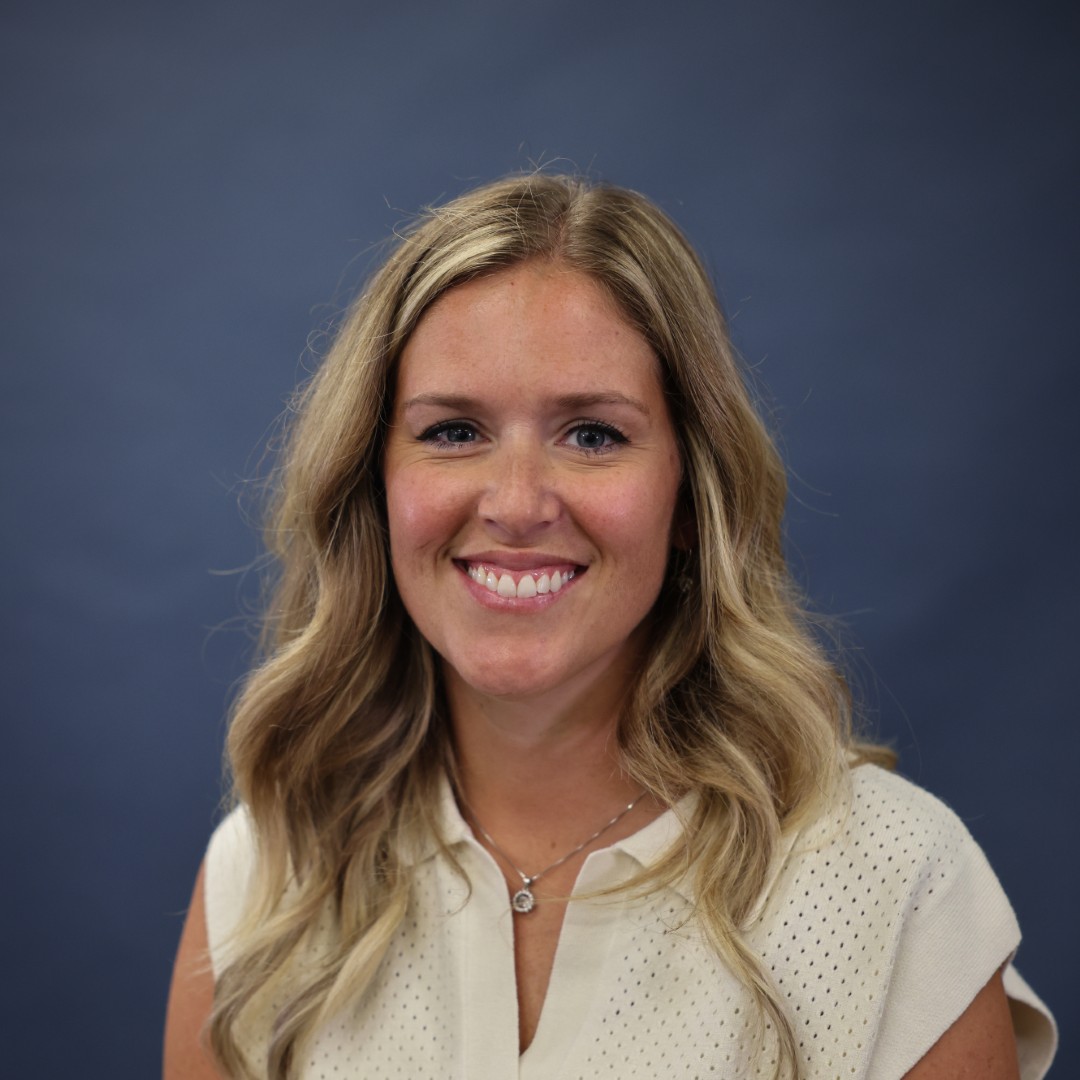
Andrea Gutmann
Department Chair/Assistant Professor of Ultrasonography Program

Rebecca Hickman
Department Chair & Assistant Professor of Medical Imaging and Radiation Sciences

Paige Himes
Clinical Coordinator - Ultrasonography

Haley Lacovitch
Clinical Coordinator

Brenda McMahon
Concentration Coordinator & Instructor of Echocardiography

Katherine Ohler
Clinical Instructor - Ultrasonography/Echocardiography

Paula Scaramozzino
Assistant Professor of Medical Imaging & Radiation Sciences

Amanda Shearer
Clinical Instructor - Medical Imaging & Radiation Sciences (Cresson)
Support In and Out of the Classroom
With faculty and staff that care about their students both in and outside of the classroom, the Mount’s radiography program offers a variety of support options for students who need it:

Program Resources
The job placement rate reflects the number of students from a given class working in the field or actively seeking employment in the radiologic sciences.
2013 – 37.5% or 9/33 (9 out of 33 are currently taking BS courses)
2012 – 44 % or 16/43 (7 out of 43 are currently taking BS courses)
2011 – 58 % or 20/36 (2 out of 36 are currently taking Pre-Med courses)
2010 – 60 % or 21/37 (2 out of 37 are currently in the Military)
2009 – 59.5 % or 25/43 (1 out of 43 is currently in the Military)
5 year average – 51.8 % or 91/192
Medical Imaging and Radiation Science licensure and certification laws/regulations vary from state to state. It is highly recommended that students planning to pursue a professional credential in states other than Pennsylvania contact the appropriate state licensing agency to seek guidance and verify requirements prior to starting a program. Visit Commission on Accreditation and the American Society of Radiologic Technologists for more information.
The Radiologic Sciences program offers an Associate of Science Degree that is inclusive of all eligibility requirements for the entry-level American Registry of Radiologic Technologists (ARRT) national certification exam in Radiography. The student-focused curriculum includes professional courses in the radiologic sciences and a structured competency-based clinical education with an emphasis on liberal arts studies.
The mission of the Medical Imaging and Radiation Sciences Program at Mount Aloysius College is to prepare students to develop values, attitudes, and competencies necessary to become entry level radiologic technologists.
Upon completion of the Associate Degree in Medical Imaging: Radiography the graduate will:
- have a solid grounding in liberal arts that includes general science and an understanding of the biological and physiological aspect of human anatomy;
- develop critical thinking skills;
- have in-depth knowledge of patient care including legal issues, infection control, safety, and professional and caring behaviors;
- have knowledge of radiation protection including utilization of equipment and accessories, techniques and procedures demonstrating expertise in limiting the radiation exposure to the patient, self and others;
- understand equipment operation including the basic physical principals of electricity, x-ray production, and digital, fluoroscopic and radiographic imaging;
- be able to critically assess images according to the four qualities of image production and make appropriate adjustments when necessary;
- be able to perform radiographic examinations that provide pertinent information in the diagnosis and treatment of the patient;
- demonstrate effective communication skills;
- model professionalism by understanding the code of ethics for radiologic technologists, be able to work collaboratively,
- have developed a commitment to life-long learning and the pursuit of personal and professional growth through the participation in educational and professional activities.
Annual completion rate is determined by dividing the number of students who complete the program within a cohort by the number of students enrolled in the cohort.
Class of 2012 Program Completion Rate: 46/64 = 72%
Class of 2011 Program Completion Rate: 38/56 = 68%
Class of 2010 Program Completion Rate: 34/51 = 67%
Five year average (2009-2013) is 90.6% pass rate on the first attempt of the A.R.R.T. exam out of a total of 190 students taking the exam within 6 months of graduation.
Class of 2009 98% (41 of the 42 first time takers passed)
Class of 2010 86% (30 of the 35 first time takers passed)
Class of 2011 80% (28 of the 35 first time takers passed)
Class of 2012 95% (41 of the 44 first time takers passed)
Class of 2013 94% (32 of the 34 first time takers passed)
Visual Acuity
- Ability to see the patient to monitor patient comfort, vital signs and ensure safety
- Ability to differentiate between shades of grey, black, and white
- Read and comprehend protocol for medical imaging procedures
- Perform data entry tasks using digital and computer terminals
Hearing Acuity
- Ability to hear the patient to monitor patient comfort, vital signs and ensure safety
- Hearing must be sufficient to communicate with others and to hear blood pressure sounds through a stethoscope
- Hear and retain pertinent information to relay information
- Hear and respond to questions and obtain a clinical history
Speaking Ability
- Speak clearly and loud enough to be understood by a patient and persons in the department, radiology room, surgery, or on the phone
- Possess sufficient verbal skills to effectively communicate in English
- Effectively question patients for clinical history
- Be able to describe changes in activity, mood, and vital signs of a patient
- Respond to verbal and non-verbal communication
Physical Ability
- Grasp and manipulate small objects required to perform job function
- Operate a variety of x-ray equipment
- Push and pull routinely
- Arms and hands or functional artificial limbs are essential to perform radiographic procedures and transfer patients
- Legs and feet or functional artificial limbs are essential to maintain balance to accomplish required duties and transport patients
- Stand for the majority (approximately 80%) of a normal work day, and with a 10 lb. Lead apron for certain rotations
- Maneuver through congested area(s) or unit(s) to perform positioning procedures and transport patients safely
- Assist patients on and off examination tables, to and from wheelchairs and stretcher
- Raise arm(s) while maintaining balance when positioning a patient, reaching over table, adjusting x-ray tube
- Maneuver/push heavy radiographic equipment through congested areas
- Pull/push medical equipment and adjust x-ray tubes to standard protocol; transfer of patients to and from unit
- Weight must allow free movement within small control booth, move quickly during patient emergencies; maneuver in small areas while performing portable radiography procedures.
- Lift patients; lift and carry approximately 30-50 pounds of equipment
Adaptive Ability
- Organize and accurately perform individual steps of a radiographic examination in proper sequence
- Emotional stability and maturity
- Complete required tasks / functions under stressful conditions
- Track and complete multiple tasks at the same time
- Perform independently with minimal supervision
- Interact appropriately with diverse personalities
- Possess sufficient written skills for proper communication of information
- A statement attesting to the ability to perform technical standards must be completed.

Affordable Tuition
Make an investment in your future with a quality, career-focused education at an affordable rate. Plus, check out our scholarships and institutional aid opportunities–99% of Mountie students receive some form of financial aid!
Questions?
Our admissions counselors are here to answer any questions you may have!
Email: admissions@mtaloy.edu
Phone: 814-886-6383